
ABOUT US
- Professional athletes from the Czech Republic
- Dedicated to promoting fitness and healthy living
- Offering eBooks packed with expert guidance
- Designed to motivate and inspire
- Join us on your journey to a healthier lifestyle!
MEMBERSHIP
-
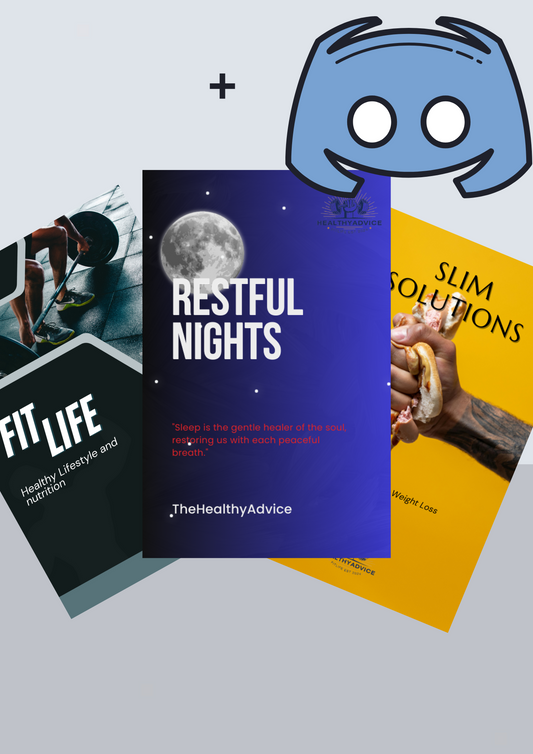
ALL E-BOOKS + DISCORD
Regular price 503,00 KčRegular priceUnit price per1.006,00 KčSale price 503,00 KčSale
E-BOOKS COLLECTION
-
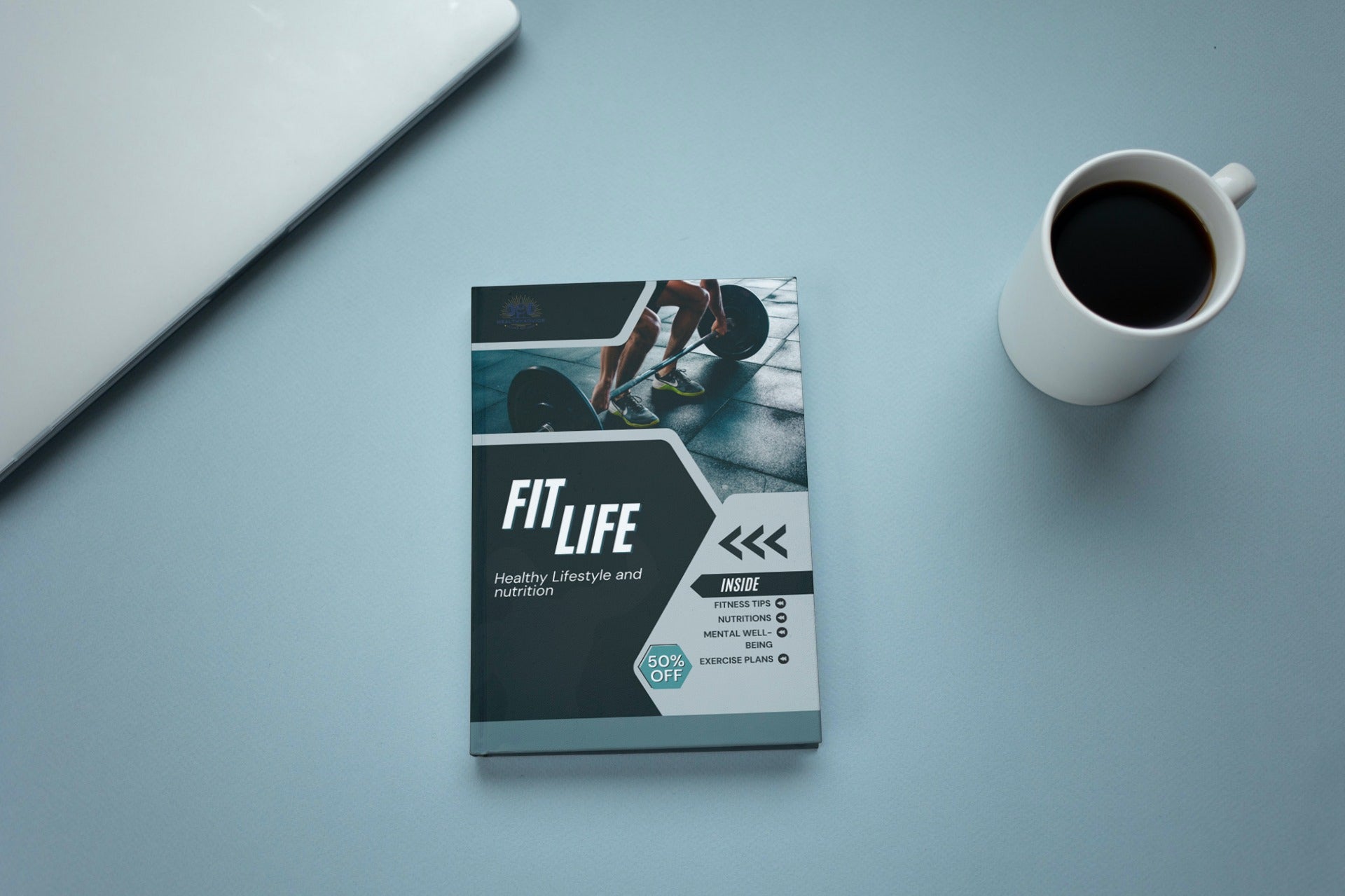
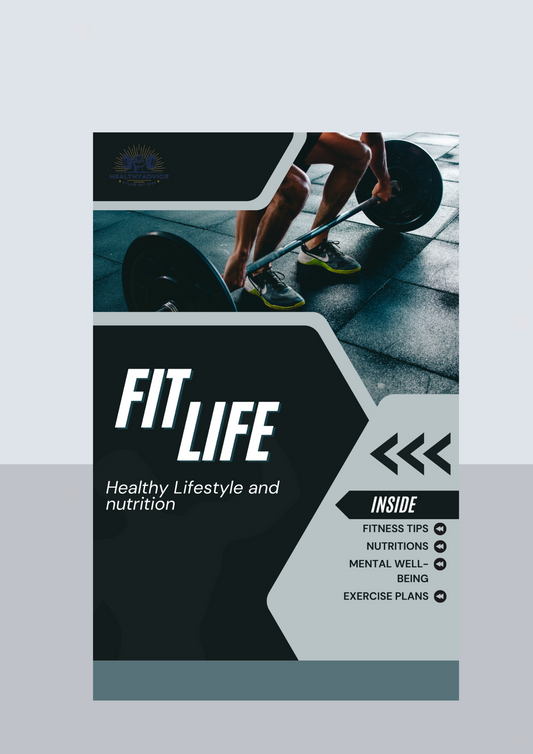
FITLIFE E-BOOK
Regular price 1.006,00 KčRegular priceUnit price per211,00 KčSale price 1.006,00 Kč -
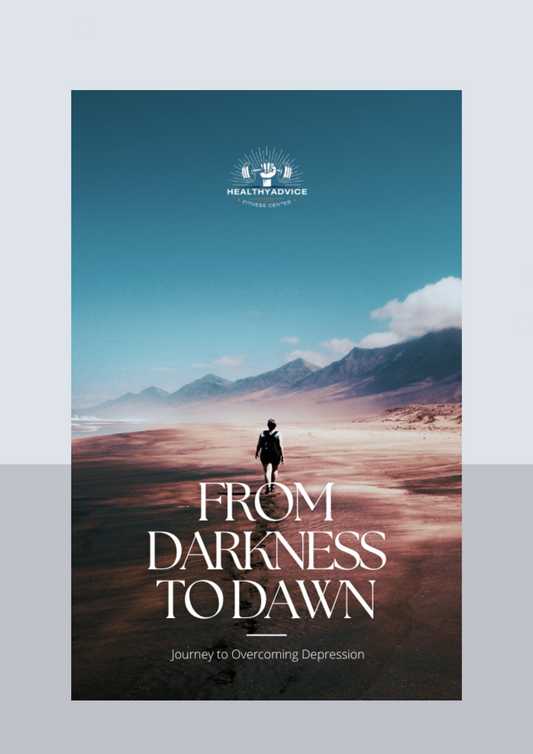
FROM DARKNESS TO DAWN E-BOOK
Regular price 1.258,00 KčRegular priceUnit price per2.515,00 KčSale price 1.258,00 KčSale -
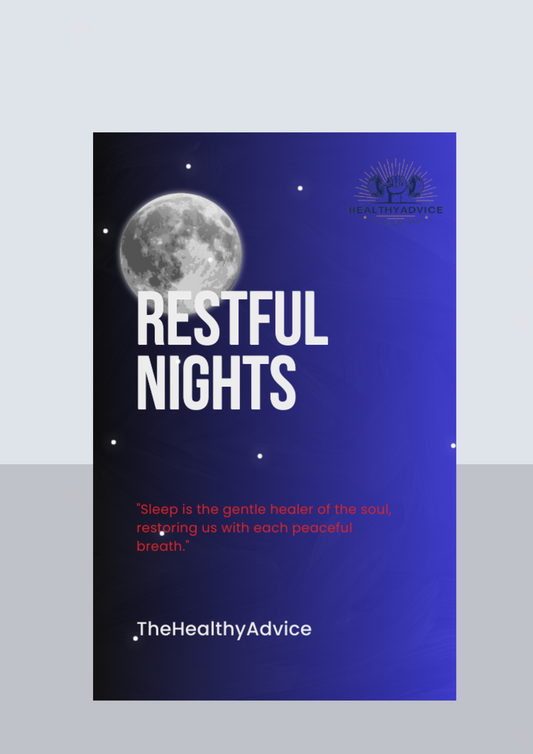
RESTFUL NIGHTS E-BOOK
Regular price 1.132,00 KčRegular priceUnit price per1.761,00 KčSale price 1.132,00 KčSale -
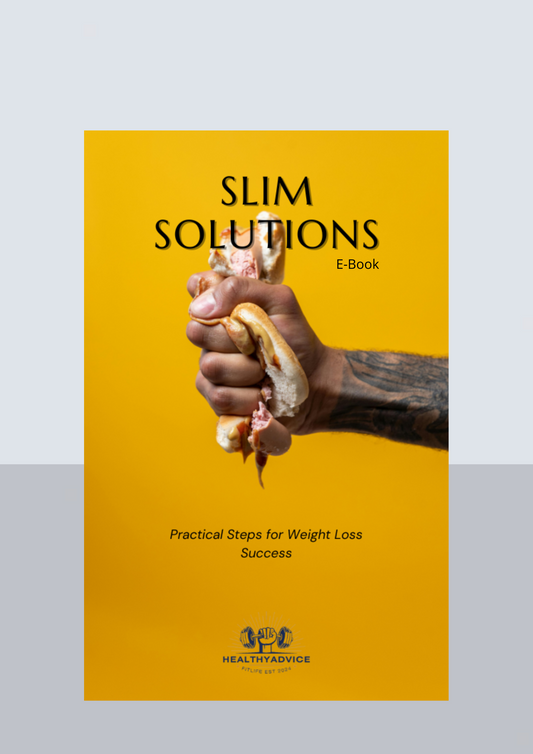
SLIM SOLUTIONS E-BOOK
Regular price 1.383,00 KčRegular priceUnit price per2.490,00 KčSale price 1.383,00 KčSale
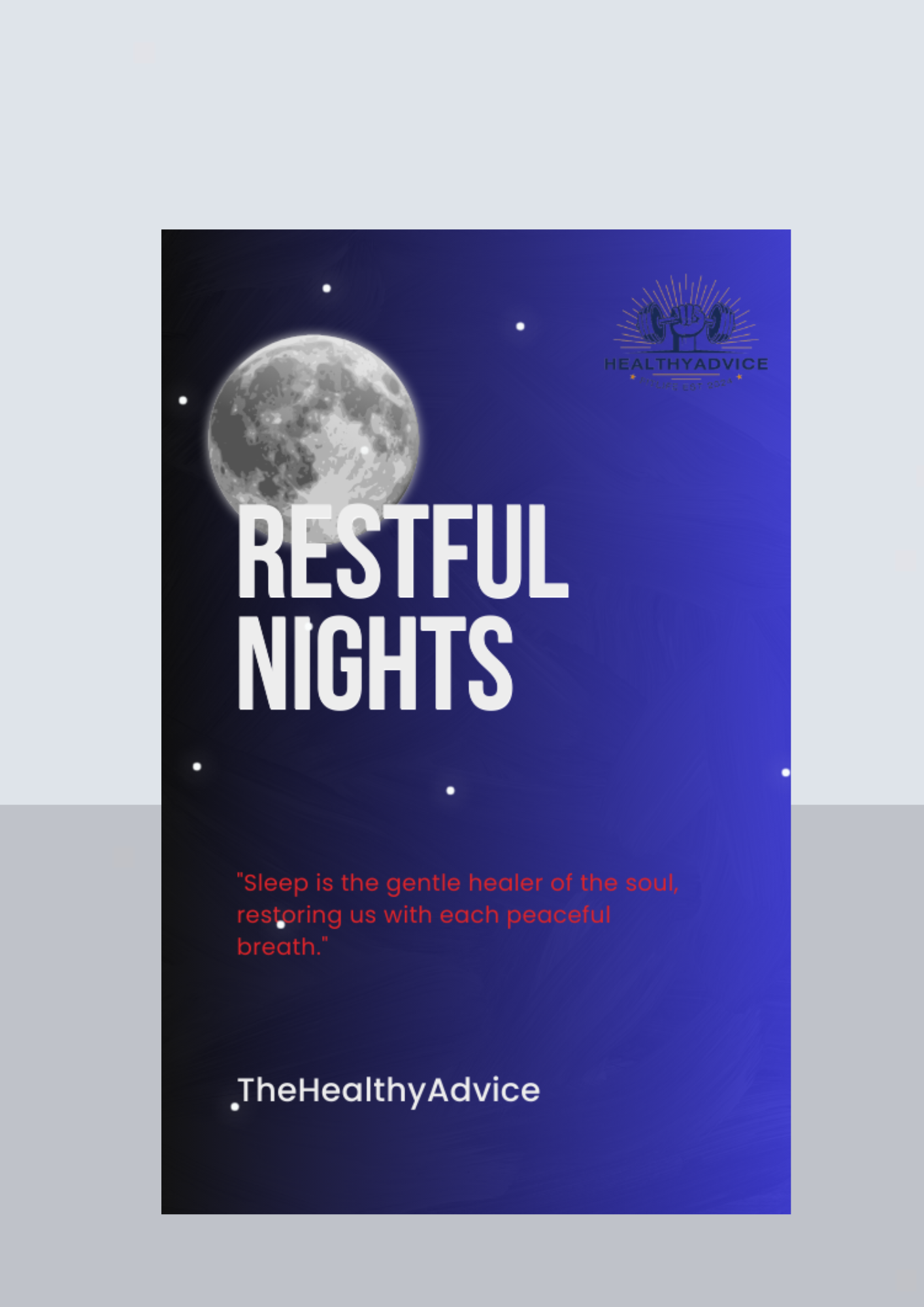
E-book
Restful Nights
This E-Book guide to better sleep and recovery is an exclusive part of our premium membership package. Unlock access to this valuable resource along with other premium benefits
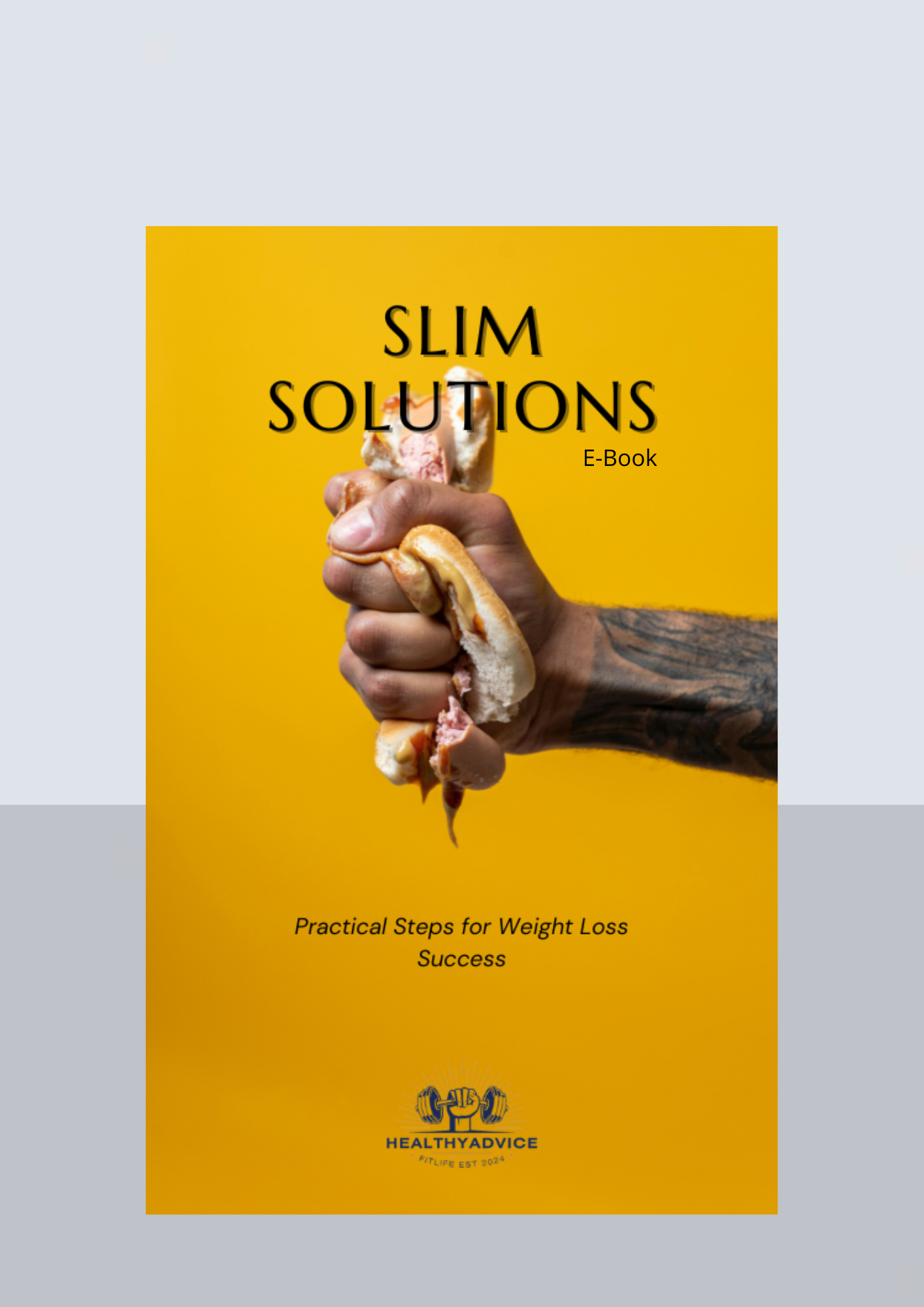
E-book
Slim Solution
This ebook offers evidence-based strategies and practical tips to empower individuals on their journey to achieve and maintain a healthy weight. As part of our premium membership, subscribers gain exclusive access to this invaluable resource.
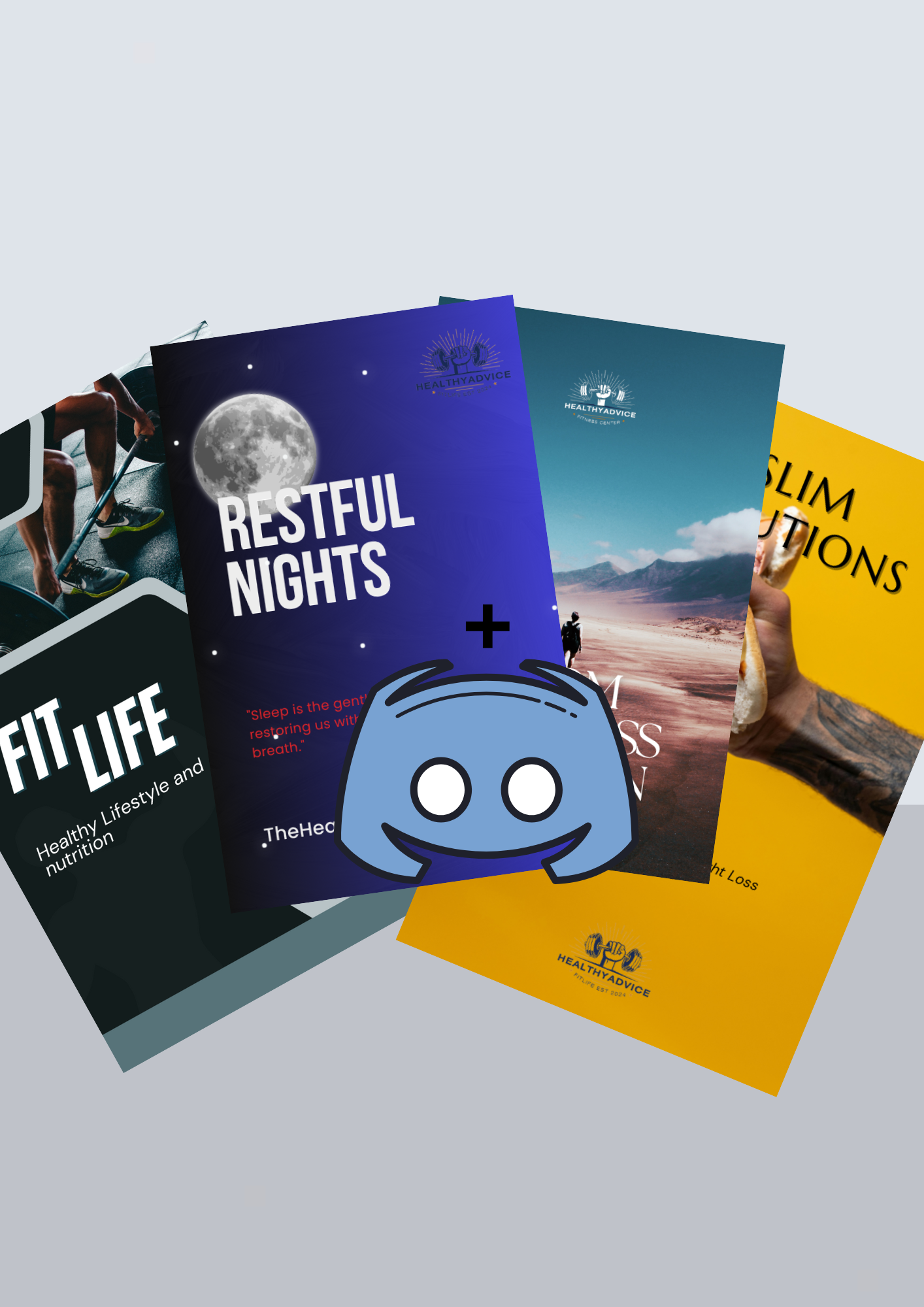
membership
DISCORD MEMBERSHIP
Gain access to exclusive benefits by becoming a member today! Unlock entry to our thriving Discord server, dedicated to fostering a supportive community committed to achieving healthier lifestyles together. Join us to find encouragement, inspiration, and valuable resources designed to assist you in reaching your fitness aspirations.